Scenic Area
Stories
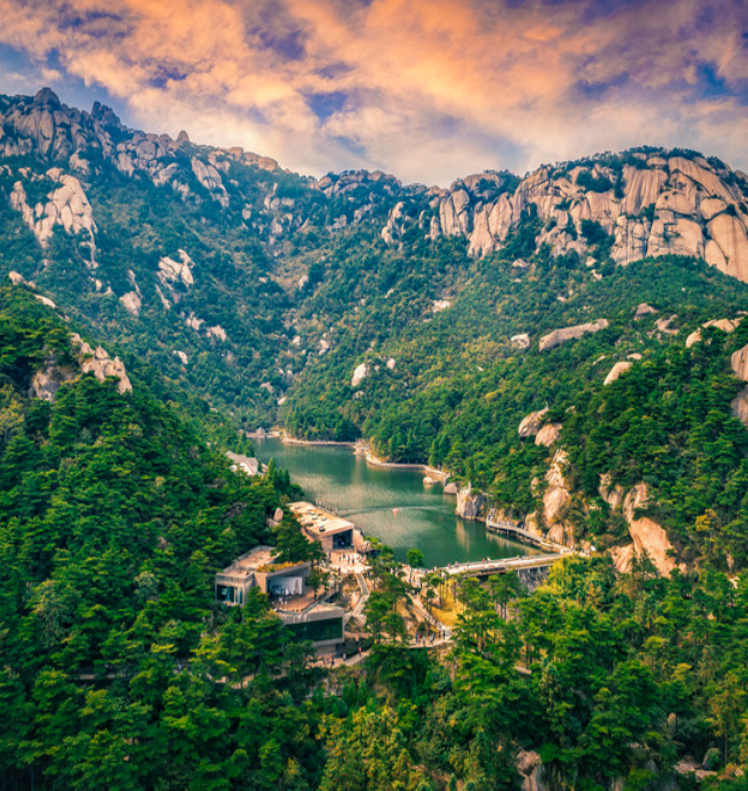
"The single Tianzhu peak upholds sun and moon; the towering cave gate locks clouds and thunder." This line by Tang poet Bai Juyi eulogizes Tianzhu Peak of Tianzhushan, also named Wan Mountain – the fief of ancient State of Wan in the Spring and Autumn Period, and the origin of Anhui's abbreviation "Wan".

Geologic Evolution
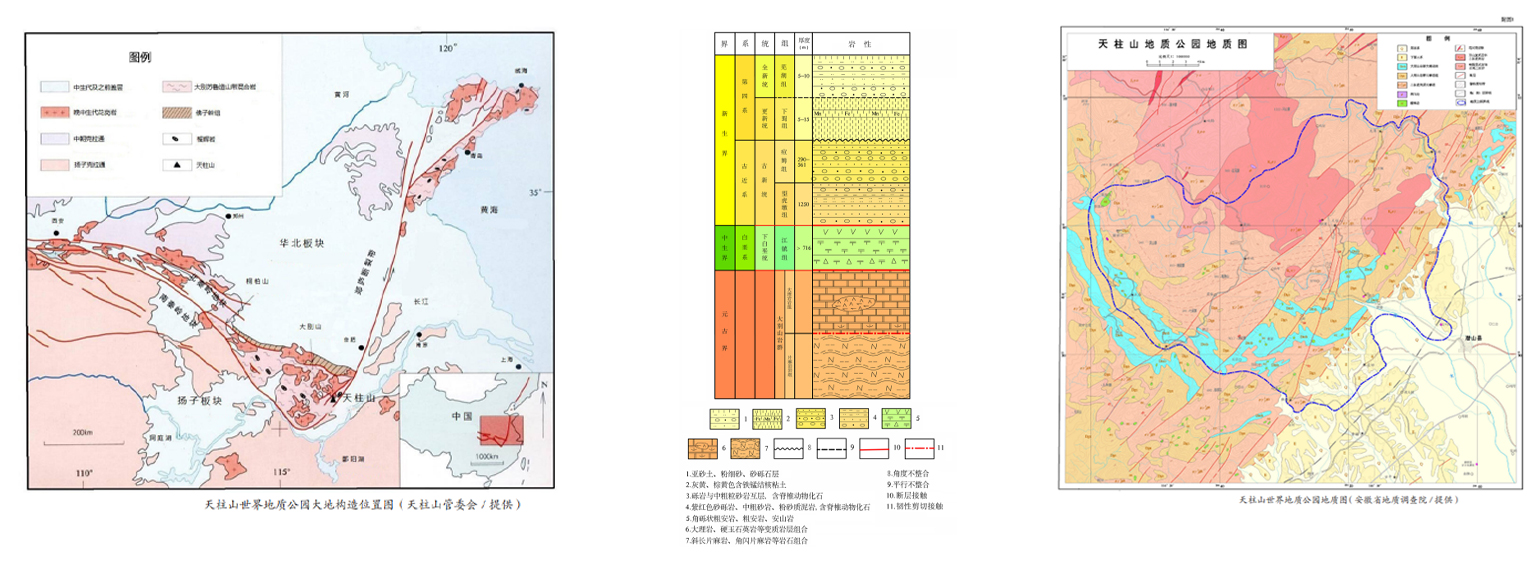
The oldest strata exposed in the park date back to the Paleoproterozoic. Over the course of 1.8 billion years of geological history, the Tianzhushan area has undergone dramatic crustal movements and profound transformations, unfolding a series of magnificent chapters in geological evolution.
-
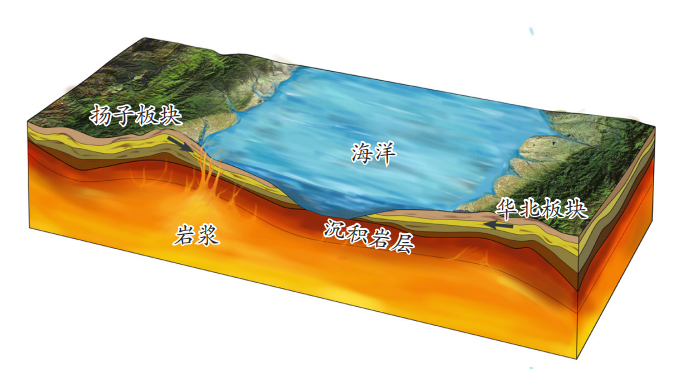 Around 1.8 billion years ago, the Tianzhushan area, located between the Yangtze Plate and the North China Plate, was a vast ocean where sedimentary strata were formed, accompanied by magmatic intrusion activity.
 -
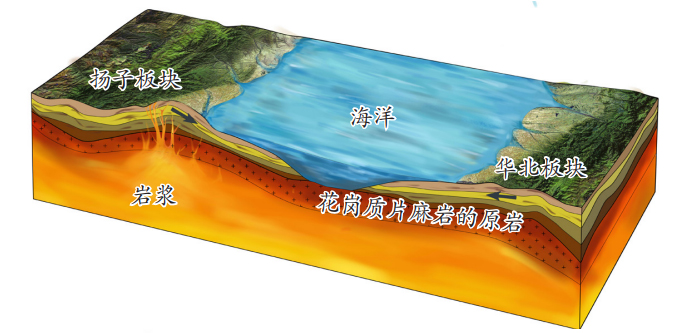 Around 800 million years ago, mantle upwelling triggered intense magmatic activity, forming a large amount of protolith for granitic gneiss.
 -
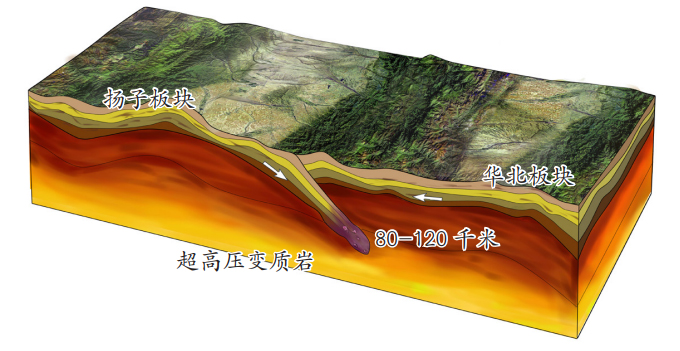 Around 240 million years ago, the Yangtze Plate subducted beneath the North China Plate to depths of 80 to 120 kilometers underground. Under the high-temperature and ultrahigh-pressure conditions of the mantle, the rocks were metamorphosed into ultrahigh-pressure metamorphic rocks containing coesite or diamond.
 -
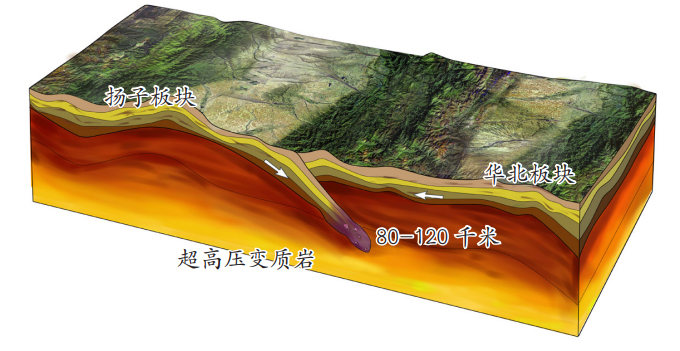 From about 230 to 200 million years ago, the subducted plate that had undergone ultrahigh-pressure metamorphism broke away, and the upper rock masses rapidly returned from a depth of 80 kilometers underground to about 30 kilometers beneath the Earth’s surface.
 -
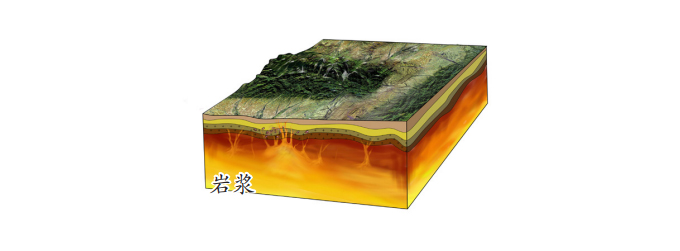 Around 128 million years ago, during the Yanshan Movement, intensely hot magma from the lower crust intruded into the deep crust several thousand meters below the Earth’s surface, forming the “underground Tianzhushan.”
 -
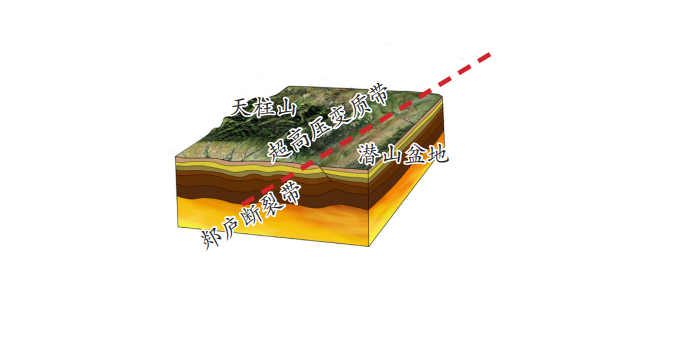 About 60 million years ago, under the influence of Pacific Plate activity, the Tan-Lu Fault Zone, which runs diagonally across the Tianzhushan area, remained continuously active. The western side was uplifted, exposing the granite massif at the surface and bringing the ultrahigh-pressure metamorphic belt back into view. The eastern side subsided to form the Qianshan Basin, creating favorable conditions for the reproduction and growth of plants and animals, where large numbers of mammals lived, evolved, and flourished.
 -
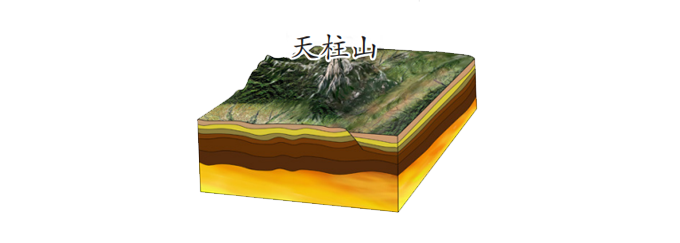 Since about 23 million years ago, influenced by the activity of the Tan-Lu Fault Zone, Tianzhushan has undergone multiple episodes of intermittent uplift, while continuous weathering and erosion have sculpted the rock masses with remarkable precision, creating the majestic and beautiful Tianzhushan we see today.
Geological Relics
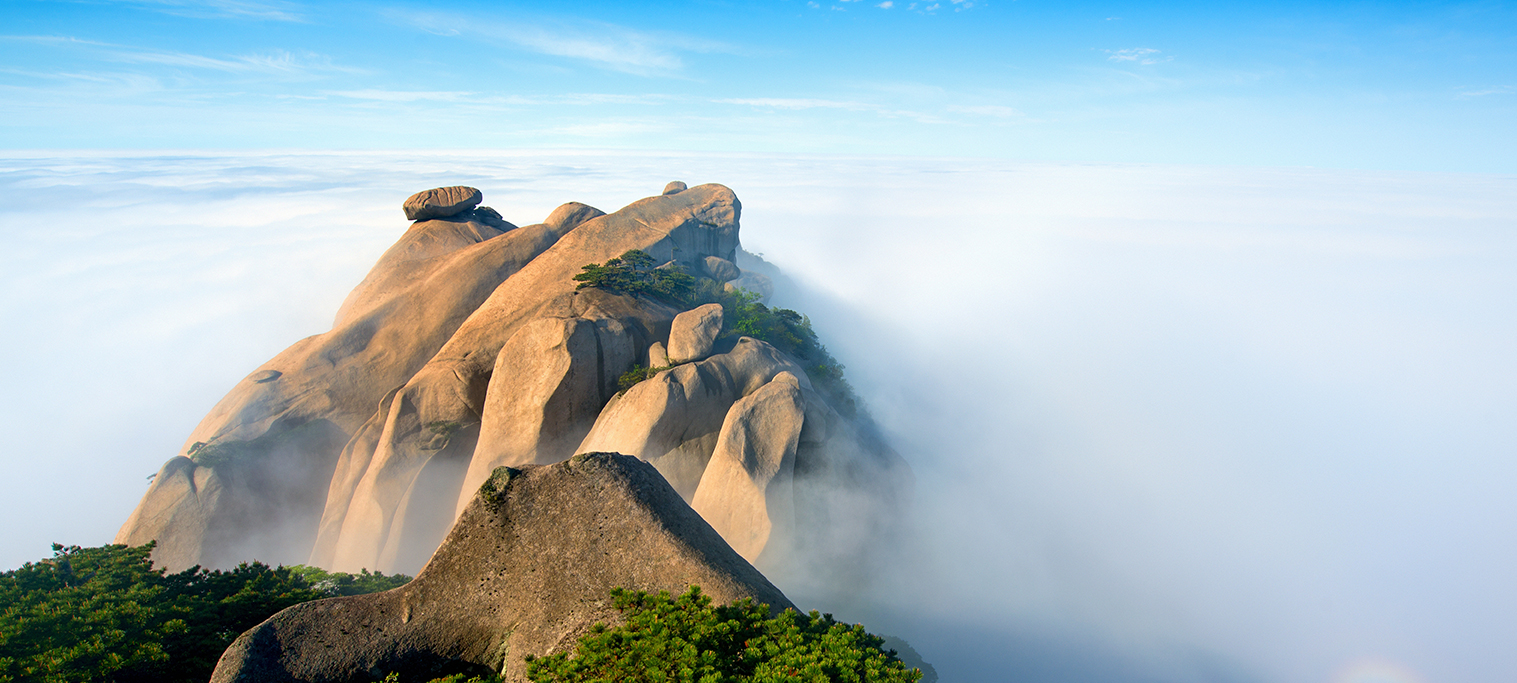
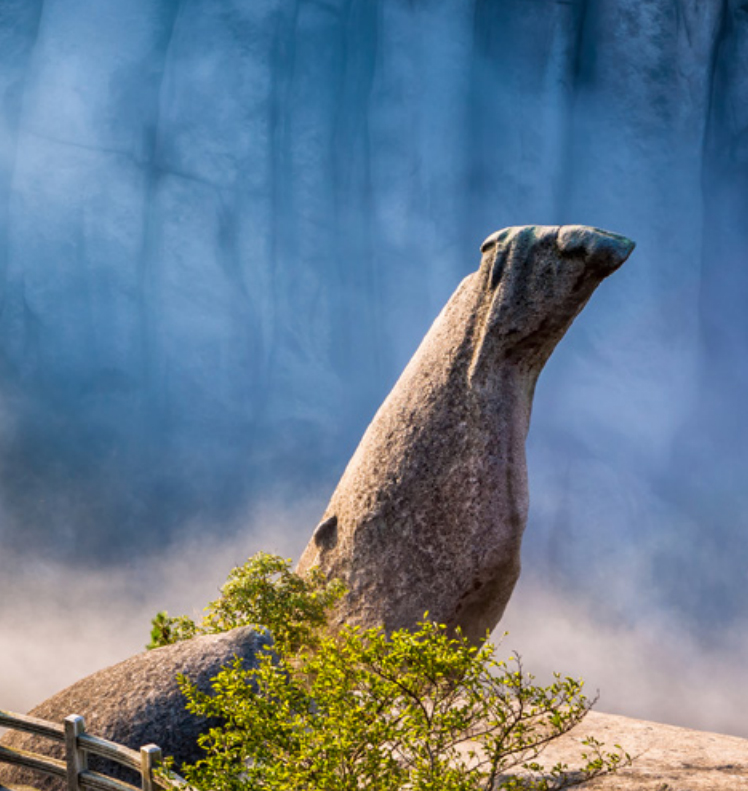
The park preserves a relatively systematic and complete range of geological relics, mainly including a world-famous classic section of the Dabie ultrahigh-pressure metamorphic belt, the majestic and spectacular Tianzhushan-type granite landforms, rare Paleocene mammalian fossils in Asia, as well as rich and diverse hydrogeological relics, structural relics of the Dabie orogenic belt, and structural relics of the Tan-Lu fault zone.
These geological relics record and bear witness to the geological evolution of the Tianzhushan area over the past 1.8 billion years, and have earned it the titles of “a classic section of the Dabie ultrahigh-pressure metamorphic belt,” “one of the most beautiful granite landscapes in the East,” and “one of the birthplaces of Asian mammals.”
These geological relics record and bear witness to the geological evolution of the Tianzhushan area over the past 1.8 billion years, and have earned it the titles of “a classic section of the Dabie ultrahigh-pressure metamorphic belt,” “one of the most beautiful granite landscapes in the East,” and “one of the birthplaces of Asian mammals.”
Geological Research
The Tianzhushan area has a long history of geological research. In the late 19th century, the German scholar Ferdinand von Richthofen investigated the red beds in the areas along the Yangtze River in Anhui. In the early 20th century, Chinese geologists Liu Jichen and Zhao Rujun identified the Dabie metamorphic rock series, and in 1929, Li Siguang established that this region belongs to the Huaiyang epsilon-type structural system.
In the late 1950s, Tianzhushan officially began systematic geological surveys and scientific research, with especially fruitful results in the field of paleontological fossils. In 1966, researchers first discovered vertebrate fossils in the park, including Eoalligator huiningensis. In 1977, they went on to publish fossil discoveries of ancestral rodent and lagomorph species—Heomys orientalis and Mimotona wana—filling important gaps in the study of biological evolution. In 2022, the first Late Cretaceous fossil, Shixingoolithus qianshanensis, was discovered, further extending the temporal dimension of regional paleobiological evolution. Then, in 2023, research findings on the third crocodilian fossil, Qianshanosuchus youngi, were officially published. To date, a total of 64 vertebrate fossil species have been discovered in the park, including several groups unique to Asia. As a result, Tianzhushan has been acclaimed as “a treasure trove of paleontological vertebrate fossils and the birthplace of Asian mammals,” occupying a unique position in global research on the evolution of mammals during the early Cenozoic era.
In the field of geological structure and mineral research, Tianzhushan has also achieved breakthrough results. In the 1970s, the 1:200,000 regional geological surveys of the Taihu and Yuexi map sheets were successfully completed, systematically establishing the geological framework of the Tianzhushan area, while also identifying multiple occurrences of eclogite and providing an important basis for subsequent research on high-pressure metamorphism. From the late 1980s to the early 1990s, Chinese geologists made major breakthroughs. Xu Zhiqin was the first in Asia to discover coesite and its pseudomorphs in the Bixiling eclogite, while Xu Shutong was the first to identify metamorphic microdiamond in eclogite. These two discoveries not only filled a gap in related Asian research, but also established Tianzhushan as a core area for global studies of high-pressure metamorphism, making it the world’s largest, deepest-exposed ultrahigh-pressure metamorphic belt with the richest assemblage of ultrahigh-pressure minerals and rocks.
After that, the relevant authorities continued to carry out regional geological surveys and resource investigations. In 2005, it was successfully designated as a National Geopark, and in September 2011, it was successfully admitted as a Global Geopark.
In recent years, geological research on Tianzhushan has continued to deepen. It has also successfully hosted a number of major domestic and international academic conferences, promoting international exchange and development in regional geological research.